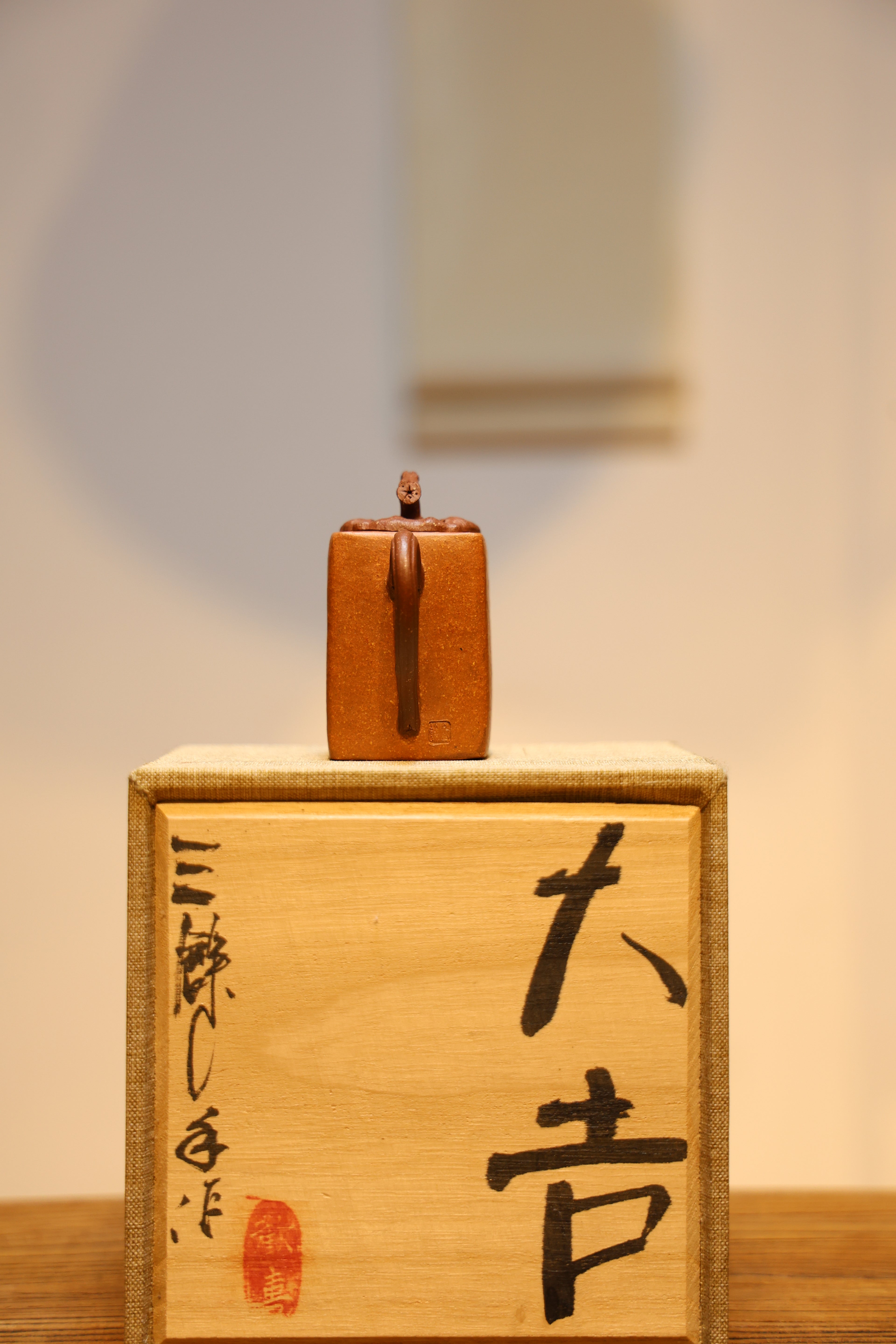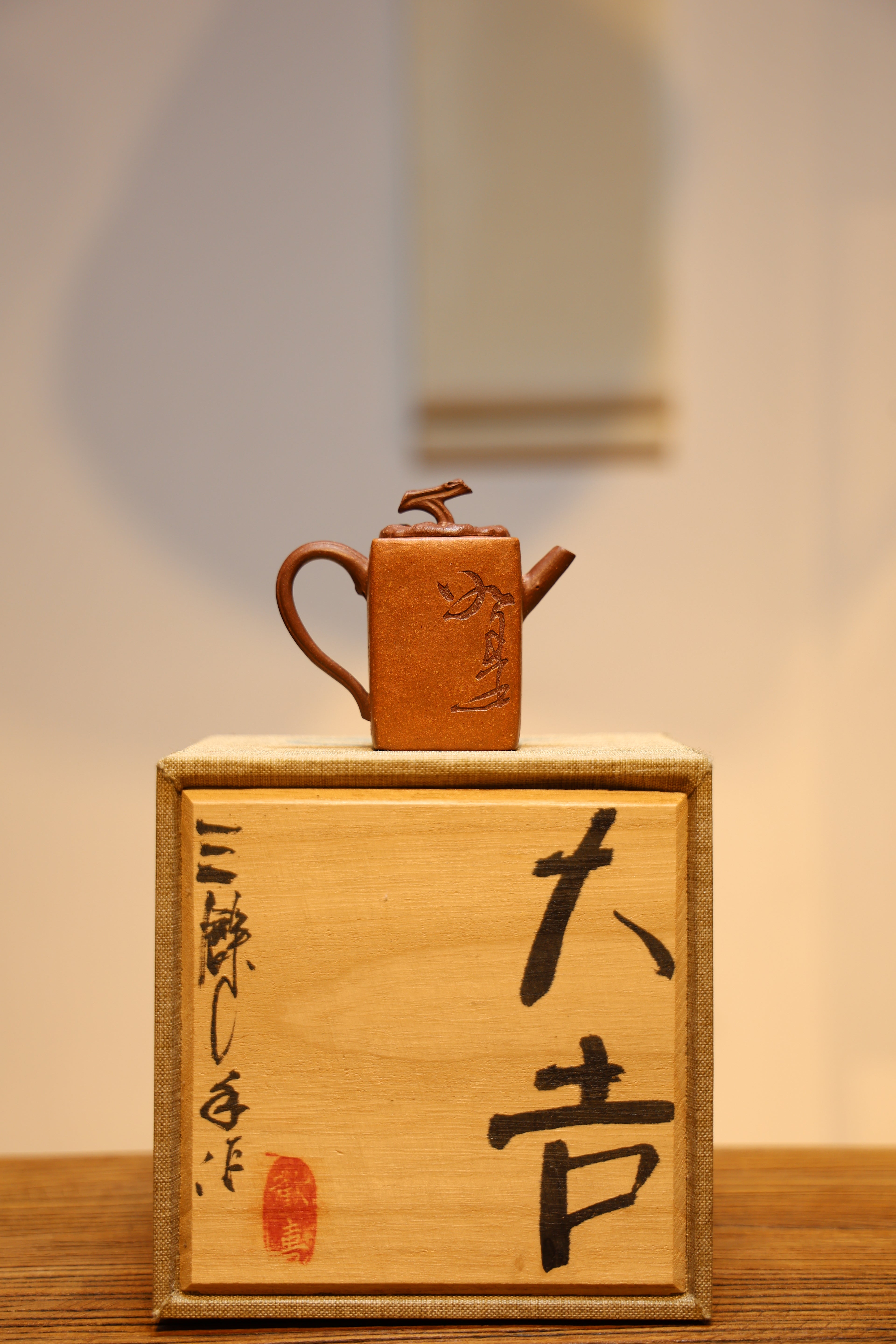
Millennia of devotees have craved the exceptional fascination of Yixing Zisha pitchers. Born in the secluded town of Yixing, the homeland, these amphorae are created from a scarce and dug purple clay recognized for its exceptional thermal attributes and capacity to enhance the richness of extracts. Outside of their operative worth, Zisha teapots symbolize a lasting customary background, causing them highly admired and a undisputed jewel for any serious teapot connoisseur.
Discovering Yixing Vessels
These teapots display a extraordinary combination of history and seasoned craftsmanship. Existing in Yixing, Jiangsu Area of China, their narrative dates back the Ming Dynasty, although clues suggest earlier versions. The unique wine-colored clay, called Zisha, found uniquely in the Yixing region, is the vital component, contributing to the pots' remarkable heat stability and the manner they control the profile of tea. Successive eras of potters have mastered techniques—often handed over through families—including designing the clay, applying complex embellishments, and firing the pots at precise temperatures.- At first, Yixing teapots were often decorated with simple designs.
- In due course, more intricate carvings and graphic motifs became favored.
- The baking itself is a fundamental element, requiring long durations of mastery.
Amassing Zisha Teapots: Essential Factors
Embarking on a pursuit to assemble Zisha vessels can be fruitful, but it’s crucial to recognize what to consider. Authenticity is key; focus on the clay’s natural tint, a faint reddish-brown is common. Examine the quality; genuine Zisha has a remarkable tactile sensation, often defined as slightly grainy. The profile should be balanced and consistent with authentic styles, while labels, if present, require thorough examination for reliability. Don’t postpone to consult with experienced dealers or reliable databases – their insight is precious.
Ancient Kettles: Exploring the Custom of authentic Purple Ware
Eons have seen Yixing Zisha teapots hold a important role in Chinese legacy. These artfully Zisha Teapot designed pots, sourced uniquely from the district of Yixing, are acclaimed for their characteristic complexion, texture, and their ability to enhance the taste of infusions. Countless collectors value antique Yixing teapots, treasuring them considerably not only for their aesthetic grace, but also for the chronicle they signify.
Yixing Zisha Teapots: An Top Kinds and Their Attributes
Zisha Clay teapots, produced in the Yixing zone of Yixing, the land, are celebrated for their distinctive clay and outstanding brewing skills. Amidst the different Zisha types, selected classes that are highly admired include Huiwan. Binzhou, known for its rich purple shade and fine texture, delivers a tempered flavor. Duan Ni Zisha, recognizable by its chestnut color and fairly grainy feel, is regarded to enhance the weight. Lastly, Zhuni Zisha boasts an exceptional vermilion tone and can provide a pleasant nuance. Each variety supplies a varied experience, causing them highly desirable towards concoction enthusiasts.
Excelling at The Artisan Container
To experience the full potential of your Yixing pitcher, mastering the correct approach is fundamental. These clay kettles, celebrated for their absorbency, will eventually assimilate the character of the tea you create within them. Begin by scrubbing the kettle thoroughly with scalding water. Then, use only superior loose leaf tea, as lower quality options can weaken the container’s delicate flavor profile. Always enable the leaves to open completely, and remember that with each application, your Yixing vessel will become perpetually special.
Securing Your Invaluable Zisha Treasure
Proper treatment for your Zisha teapot is important to maintaining its quality and value. Zisha clay, acclaimed for its unique coloration and makeup, requires gentle handling. Never use caustic detergents, as these can injure the covering. After every infusion, rinse the urn with lukewarm water and allow it to evacuate moisture completely.
- Refrain from soaking the container for extended sessions.
- Regularly use a soft polishing cloth to clean the exterior.
- Reflect on applying a thin layer of food-grade balm inside the vessel after drying, which can minimize staining.
Initial Guide to Yixing Clay Pots
Yixing vessels, originating from the Yixing province in Jiangsu Province, of China, are celebrated for their distinctive traits. Shaped from the unique purple clay known as Zisha, these containers are prized by brew enthusiasts worldwide. This digest will briefly explain the principles – covering forms of Zisha composite, prevailing shapes, and important care recommendations. Understanding the foundation of Yixing pitchers can enhance your appreciation for this traditional example of Oriental craftsmanship.
Technique of Asian Teapots: Focusing on Zisha made in the Yixing district
Zisha material from Yixing locality represents the peak of Chinese pot design, possessing a special fusion of authentic beauty and utilitarian artistry. These distinguished pieces are acclaimed for their bold pigments, often including strong purples and orange hues to delicate greys and subtle beiges. The defining mineral composition of the exclusive-to-the-area Zisha substrate imparts a unique texture and delivers a welcoming aroma that heightens the aggregate potion experience, resulting in them strongly coveted collectibles and fundamental components of any serious infusion.